Blog > Canada’s Luxury Housing Market in 2025: Why Where You Buy Matters More Than Ever
Canada’s Luxury Housing Market in 2025: Why Where You Buy Matters More Than Ever
by
Canada’s Luxury Housing Market in 2025: Why Where You Buy Matters More Than Ever
Canada’s luxury housing market in 2025 became more selective and region-driven, with buyers prioritizing value, lifestyle, and long-term stability over speed. Explores how different markets across the country diverged, why prices held steady despite shifting sales, and what these trends mean for homebuyers and sellers heading into 2026.
Canada’s luxury real estate market ended 2025 in a strong but very different place than where it began. According to the Engel & Völkers 2025 Year-End Canadian Luxury Real Estate Market Report, the year marked a clear shift toward smarter, more selective homebuying and growing differences between regional markets.
Rather than rising or falling together, luxury markets across the country began moving in their own directions. Sales slowed in some major cities, picked up in others and yet, average prices across Canada remained largely unchanged. This balance points to a market that is steady, thoughtful and focused on long-term value.
A More Careful Luxury Homebuyer
In 2025, luxury homebuyers took their time. Instead of rushing into decisions, many waited for the right opportunity, weighing location, quality and lifestyle more carefully than in previous years.
This trend was especially clear in Toronto and Vancouver, where higher price points and more inventory gave homebuyers greater choice. With less urgency, buyers became more selective, often prioritizing move-in-ready homes and strong neighborhoods over speculative or discretionary purchases.
Even with fewer transactions in these markets, pricing held firm. This suggests homebuyers did not leave the market, they simply became more disciplined.
Growth Shifts to Value and Lifestyle Markets
W
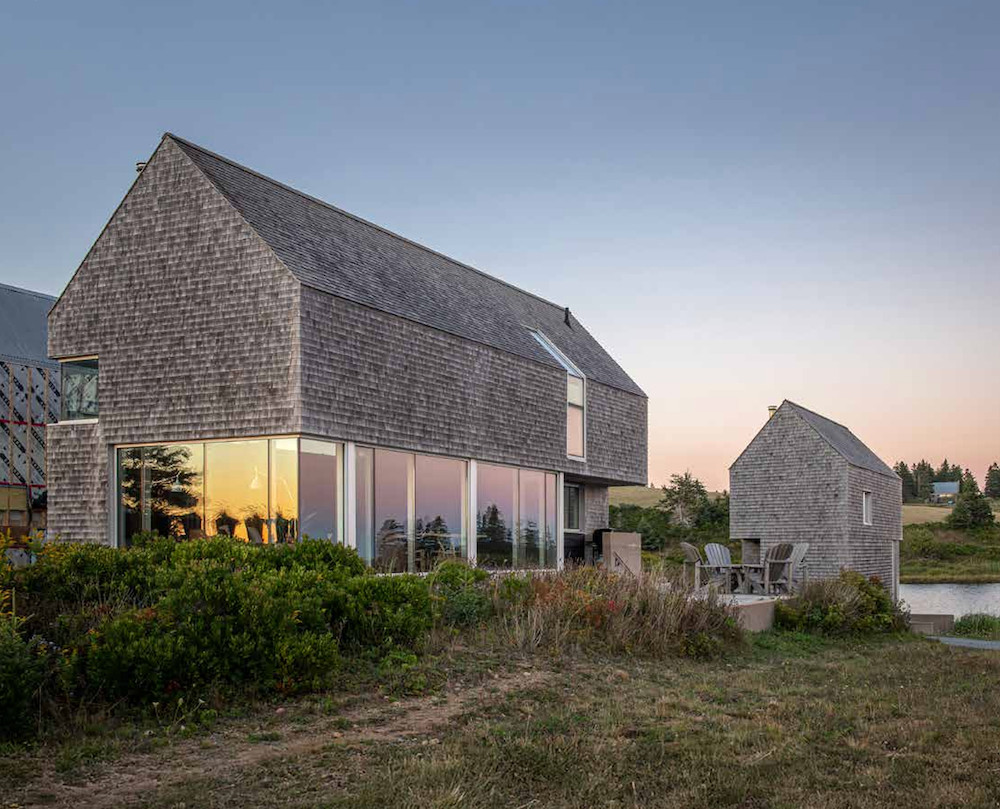 hile Canada’s largest cities cooled, other regions gained momentum. Ottawa, Montréal and Halifax saw increased luxury activity, supported by stable local demand, improved borrowing conditions and strong lifestyle appeal.
These markets offered what many homebuyers were seeking in 2025: quality homes at prices that felt more reasonable within the luxury segment. As a result, demand concentrated in specific price ranges and property types, reinforcing the idea that value matters more than volume.
The full report breaks down how these shifts played out across different regions and price bands, revealing where buyers found opportunity and why.
Prices Hold Steady as Markets Diverge
One of the most important takeaways from Engel & Völkers’ year-end findings is that luxury home prices in Canada did not decline in 2025. Despite uneven sales activity, average prices remained stable nationwide.
This price stability reflects limited supply of high-quality properties and buyers who remained willing to pay for the right home. It also highlights the growing importance of realistic pricing and thoughtful strategy for home sellers navigating a more selective market.
What This Means for 2026
Looking ahead, the Engel & Völkers brand expects Canada’s luxury housing market to remain selective and region-driven. Markets offering a strong mix of lifestyle, economic stability and perceived value are positioned to outperform, while success in higher-priced markets will depend on pricing discipline and presentation.
For homebuyers, opportunity will favor patience and preparation. For home sellers, understanding local conditions will be essential. For both, insight will matter more than headlines.
The Bigger Picture
Canada’s luxury real estate market did not lose strength in 2025. It gained focus.
The Engel & Völkers 2025 Year-End Canadian Luxury Real Estate Market Report provides a deeper look at how each region performed, which price segments drove activity and what these trends mean for the year ahead.
Download the full report to explore detailed market data, regional analysis and expert insight shaping Canada’s luxury housing landscape as the market moves into 2026.